Spotting the warning signs early
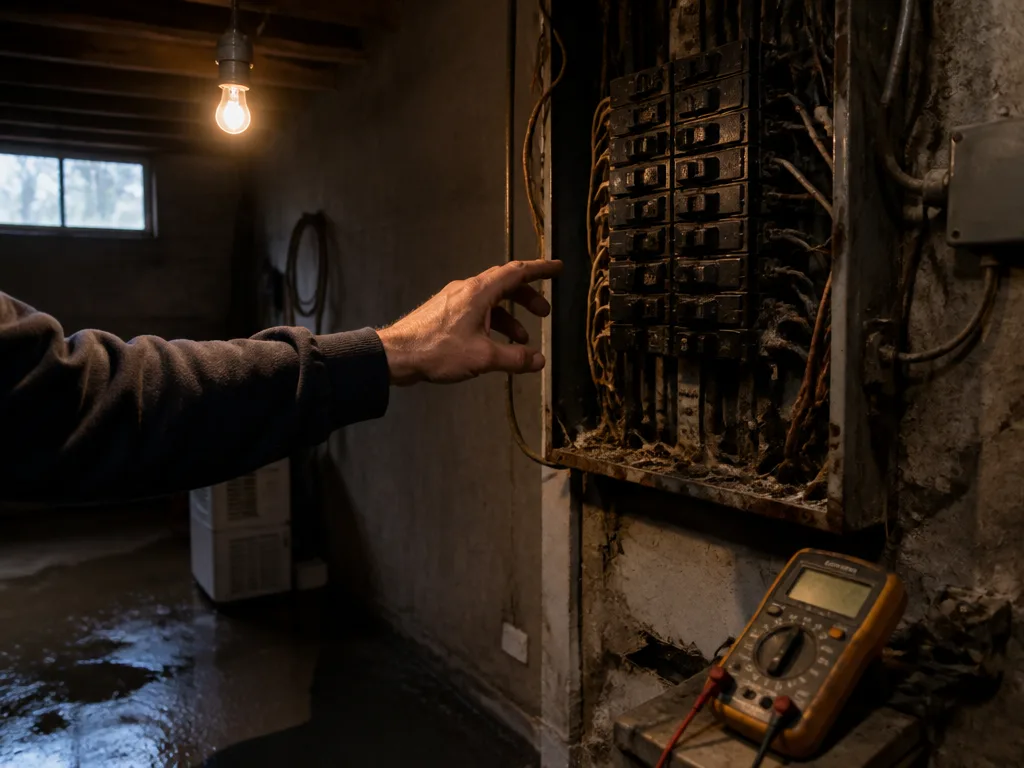
Electrical problems don’t always scream danger at first. In homes across New Hampshire you might notice dimming lights, outlets that feel warm to the touch, or circuits that trip frequently. These aren’t isolated quirks; they can indicate overloaded circuits, aging wiring, or a panel that needs attention from a skilled electrician. If any of these symptoms appear, it’s a sign to pause and assess rather than push through the discomfort.
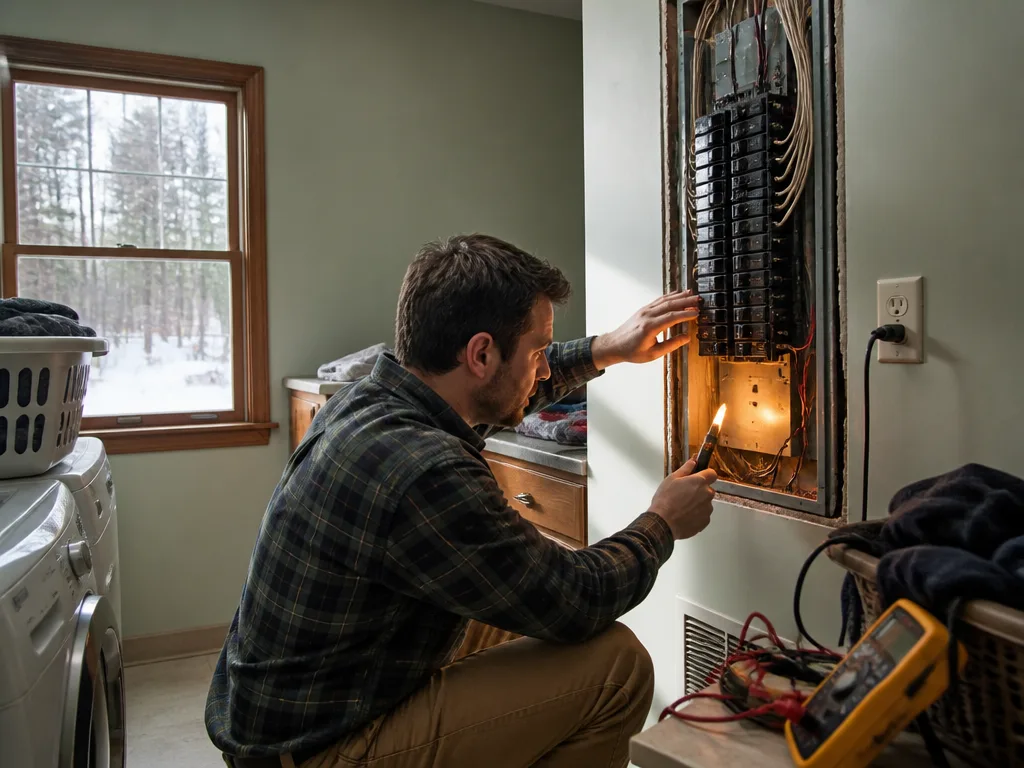
Another common sign is buzzing sounds from a breaker box or a hot metal smell near an outlet. These are red flags you should not ignore. Across New Hampshire crews respond to these calls by inspecting the panel, checking for loose connections, and testing for ground faults. The goal is simple: identify the root cause before it leads to something more hazardous.
What to do when you notice symptoms
Turn off nonessential devices on the affected circuit and avoid using heavy appliances if the problem seems tied to a single area of the house. Then call New Hampshire Electrical Inspection for a safety-focused evaluation. Our approach is practical and thorough, starting with a visual check of the panel, outlets, and grounding system, followed by diagnostic tests as needed.
Be ready to share a quick history: when the symptoms started, any recent remodeling, and which rooms or devices are involved. This helps our electricians pinpoint whether you’re dealing with overloaded circuits, a poor trim-out, or something more serious in the wiring itself. Across New Hampshire, a careful inspection prevents surprises later on.
What you can expect during a typical inspection
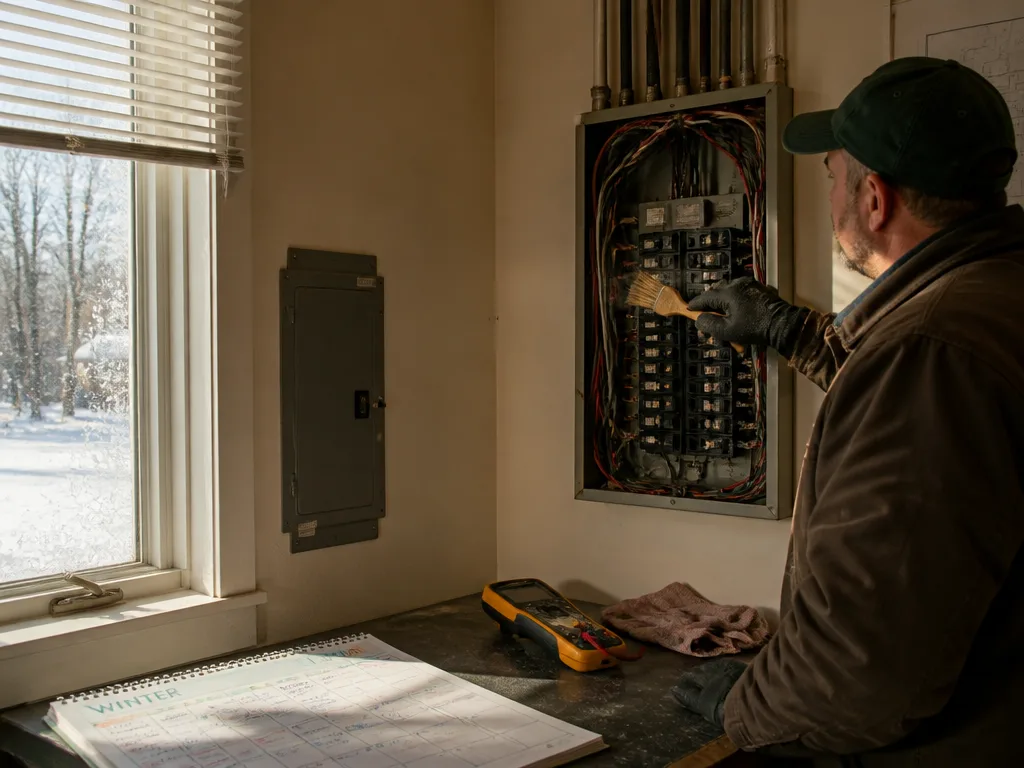
We begin with a walk-through of your electrical system, focusing on the service entry, main disconnect, and a sample of outlets on likely hotspots. We check for signs of wear, corrosion, or improper modifications. If the panel is older, we verify that the breaker types match the loads and that there are no back-stabbed connections that could heat up over time.
Our team documents findings in plain language and labels any immediate safety steps. If parts need replacing, we outline options and timing without pressure. The aim is to give you a clear picture of what’s happening and how to keep your home safer, not to upsell unnecessary work across New Hampshire.
When to consider upgrading
Upgrades aren’t just about higher capacity; they’re about reliability. If you’re running extension cords all over the place, have a panel that’s older than 20 years, or see frequent breaker trips, an upgrade can prevent future problems. Our electricians can recommend solutions that fit your home’s layout and your comfort level, whether that means balanced circuits, a more robust main panel, or dedicated circuits for high-demand equipment.
- Balanced loads across the panel to reduce nuisance trips
- Dedicated circuits for refrigerators, receptacles in kitchens, and workshops
- Proper grounding and metal-clad wiring where required